
Reviewed · KYOTO COOKING CLASSES
Private Kyoto Market Tour and Authentic Cooking Class with Aki
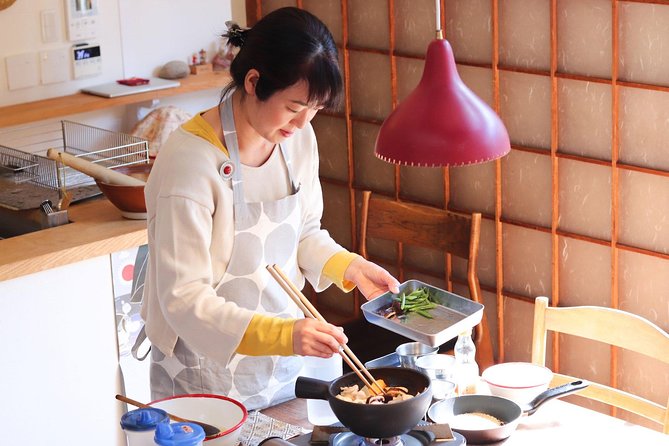
Kyoto tastes better with groceries first. I love how the experience starts with a local market walk through Demachiyanagi Shoutengai, then turns into a hands-on lesson in Aki’s home kitchen where you eat what you cook. You get personalized guidance, English recipes, and a meal that’s clearly more than a show-and-tell.
The big upside for me is control. You’re not stuck watching from the sidelines, and you can ask questions as Aki guides you through everything, from ingredient selection to cooking steps. One thing to consider, though, is logistics: there’s no hotel pickup, so you’ll need to make your way to the meeting point in the Demachi area on time.
Key Highlights That Matter in Real Life
- Demachiyanagi Shoutengai market shopping about 45 minutes, focused on selecting ingredients
- Private, personalized lesson where you cook with Aki and get English guidance
- Aki’s home kitchen in Kyoto, including miso soup tips and dishes you might not see in restaurants
- Short bus ride between locations, about 10 minutes, with the home about four stops away
- Seasonal menu flexibility, so the cooking reflects what’s good right now
- Vegetarian option available when you request it in advance
Why This Kyoto Cooking Class Is More Than a Meal
This is one of those Kyoto experiences that quietly avoids the tourist trap. Instead of only showing you food culture from a distance, you practice the basics that make Japanese home cooking work: choosing ingredients, understanding how flavors are built, and cooking at the pace of a real kitchen.
The private format is a big deal. When the class is tailored to your group, Aki can slow down when you need it, speed up when you’re comfortable, and adjust explanations to your cooking level. That matters when you’re learning techniques you might not have used before, like Japanese seasonings, how soups develop flavor, or how vegetables fit into the overall dish.
And yes, you eat what you make. That turns the class into a useful memory you can recreate later, not just a one-time meal.
You can also read our reviews of more private tours in Kyoto


Demachiyanagi Shoutengai: Ingredient Shopping With Purpose
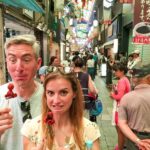
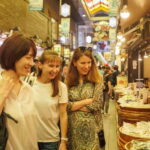
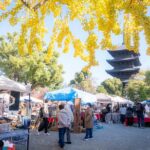
You’ll meet at Demachi Futaba 236 Seiryūchō in Kamigyo Ward at 10:30 am, then set off exploring the local neighborhood street market called Demachiyanagi Shoutengai. The walk is about 45 minutes, which is long enough to feel like you’re shopping with an expert, but not so long that it becomes a tiring blur.
Aki’s focus is practical: what to buy, what to skip, and how to recognize higher quality produce and ingredients. You’re not just collecting items, you’re learning how Japanese cooks think about ingredients in the moment. That’s why this part feels valuable even if you already like Japanese food.
What to watch for as you shop
- Look for freshness and color, not just the ingredient type. Aki’s guidance helps you learn what “good” looks like.
- Ask questions about seasonality. The market approach makes more sense once you see how what’s available changes the menu.
- Pay attention to small items you might otherwise ignore. Japanese cooking often depends on the subtle pieces.
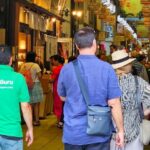
The market experience also gives you a sense of Kyoto life beyond the main sights. You’ll be walking through everyday stalls and local shops, which is exactly the kind of context that makes the later cooking steps click.
From Market to Home: A Simple 10-Minute Bus Ride
After shopping, you’ll take the bus from the market to Aki’s home. The ride takes about 10 minutes, and her place is roughly four bus stops away.
This part is smart because it keeps the experience grounded. You’re not escorted to a remote cooking studio far from daily life. Instead, you transition from neighborhood market to the kitchen where local meals actually happen.
It also helps you manage time. A four-hour total duration means you spend most of the day doing the things that matter: selecting ingredients, cooking, and eating together.
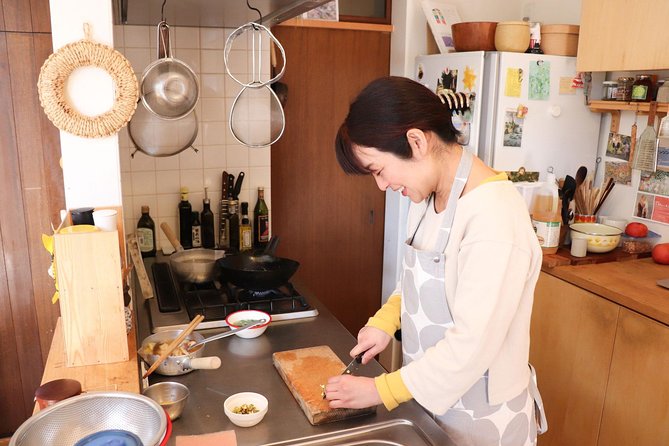
Inside Aki’s Kyoto Kitchen: Learning Techniques You Can Repeat
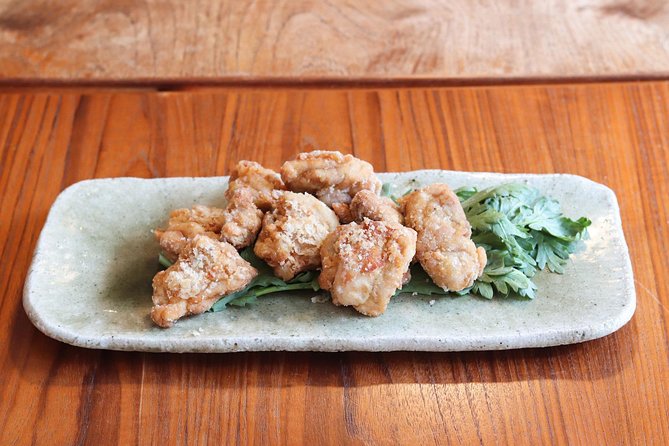
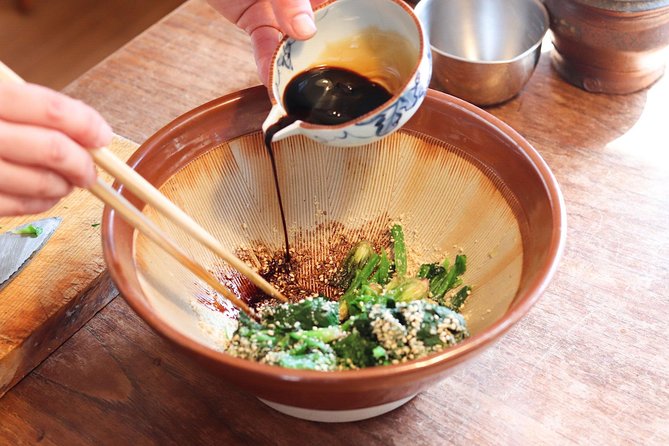
The cooking portion lasts about an hour. Aki provides recipes in English and guides you through the process step by step, so you’re not left translating or guessing while the food moves fast.
The style here is hands-on, and that’s where the private format pays off. You can get help with technique, timing, seasoning, and any confusion about Japanese ingredients. If you’re a beginner, you’ll appreciate the structure. If you’re experienced, you’ll still benefit from the Japanese-specific “why” behind each step.
Dishes that teach more than they impress
The lesson includes cooking dishes that may not be served in restaurants, plus secret tips for familiar classics like miso soup. That’s the sweet spot for travelers who love Japanese food but want to understand how the flavor is built.
Instead of only learning “what to cook,” you learn how the ingredients behave together. That’s what makes future attempts at home more successful, even if you don’t buy the exact same items.
A few things to remember during class:
- Take notes on measurements and timing while Aki is explaining. Even with recipes in English, small choices matter.
- Watch how Aki handles seasoning. Japanese cooking often relies on balance, not just salt.
- Don’t be shy about asking why a step happens a certain way. Those “why” answers are usually the most useful part later.
You can also read our reviews of more shopping tours in Kyoto



What You Eat: Home-Cooked Kyoto Comfort With Drinks Included
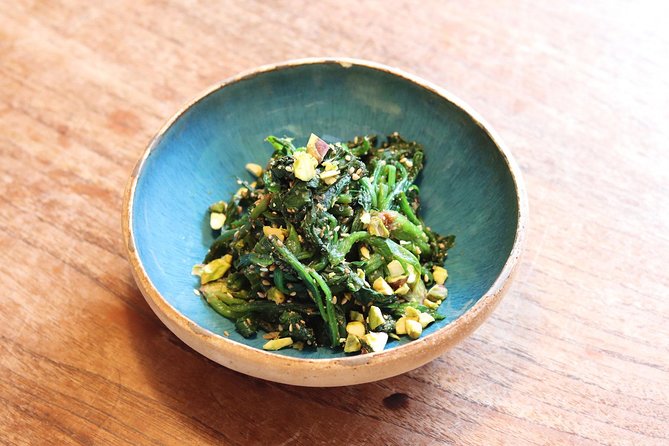
You’ll enjoy the meal you helped prepare at the end of the cooking session. Since the menu can vary by season, the dishes reflect what’s available and likely at its best right now.
There’s also a drinks element built into the experience. The tour description says meal and beverages are included, and it notes 1 to 2 glasses of local alcohol are part of what’s included. But the included items list specifically mentions non-alcoholic beverages.
So if alcohol is important to you, treat it as a “confirm when booking” detail. The overall takeaway is simple: you’re fed properly, and you’re not paying extra for drinks.
For me, the best part is that eating feels earned. You’re not waiting for a restaurant meal to arrive. You’re tasting your own work, then linking the final flavor back to the ingredient choices you made earlier in the market.
Price and Value: What $119 Buys You in Kyoto
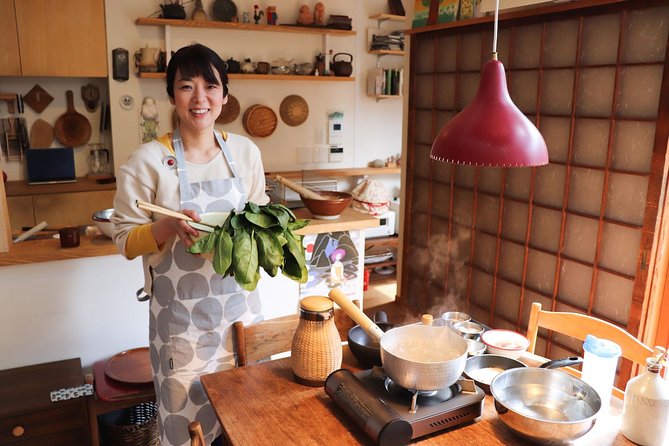
$119 per person for about four hours, private, with market shopping, cooking, and a home meal is not a cheap add-on. But it’s also not a gimmick.
Here’s what you’re paying for:
- A private guide, Aki, who walks you through a real market and teaches you how to choose ingredients
- An in-home cooking class (not just tasting or a demonstration)
- English recipes and hands-on guidance during about one hour of cooking
- Your meal and drinks included as part of the experience
- A short bus transfer between the market and Aki’s home
What you do not get is hotel pickup and drop-off. That’s the main “extra cost” you might factor in, depending on where you’re staying. If you’re far from the Demachi area, plan for the time and transit costs to reach the meeting point.
One more value point: this is usually booked ahead. On average it’s reserved about 97 days in advance. That tells you something practical, not just marketing. Popular private experiences with real local hosts disappear faster than you expect in Kyoto.
Who This Cooking Class Is Perfect For
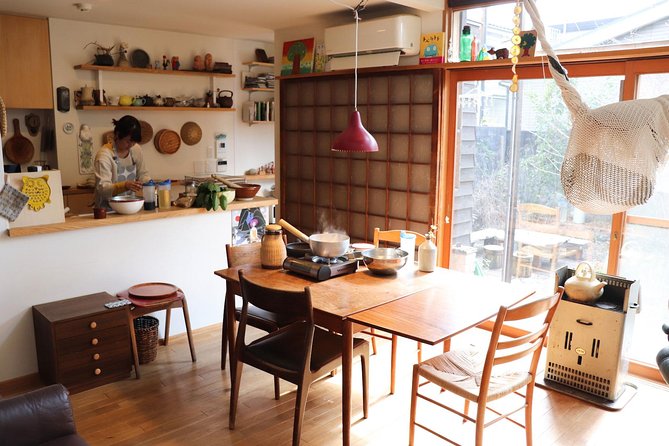
This tour fits best when you want to learn, not just eat. It’s a strong match for people who:
- Like Japanese food and want to make it at home
- Are open to shopping at a neighborhood market and understanding ingredients
- Want a private experience with personalized attention from Aki
- Prefer a home setting where you can ask questions during cooking
It’s also a nice option for couples or friends who want a shared activity that doesn’t feel like another group excursion. The class is designed for both experienced and beginner cooks, so you don’t have to worry about feeling out of place.
If you need vegetarian food, there’s a vegetarian option available when you request it at booking. That advance notice matters because menus may vary by season and ingredients will be chosen accordingly.
Timing and Expectations: Make It Fit Your Kyoto Day
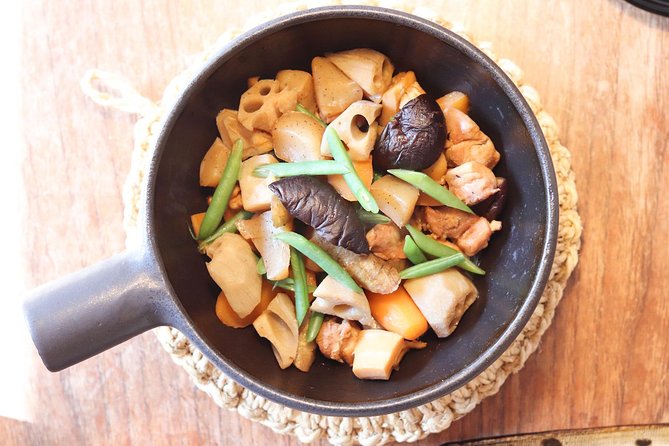
The tour starts at 10:30 am and runs about four hours total. You’ll spend about 45 minutes in the market, then about 10 minutes on the bus, then about one hour cooking and eating.
That schedule makes it easier to plan the rest of your day. You’ll likely finish with a full stomach, which helps you avoid the common Kyoto problem of wandering hungry all afternoon.
Also, wear shoes you can walk in. Even though it’s not a long trek, you will be moving through market stalls and neighborhood streets for a meaningful chunk of time.
Finally, have a short list of dietary needs or preferences ready when you book. The class can adjust if you share restrictions up front, and that’s the best way to get a menu you can actually enjoy.
Should You Book Aki’s Private Kyoto Market and Cooking Class?
I’d book this if you want a Kyoto experience that teaches you how to cook Japanese food, not just where to eat it. The combination of market ingredient selection, an in-home lesson with English recipes, and a meal you helped make is exactly the kind of “learn something real” value that lasts longer than a photo.
You might skip it if you rely on hotel pickup and you’re not willing to navigate to the meeting point yourself. Also, if your schedule is tight and you don’t have room for a four-hour block, this is harder to squeeze in.
If you can make the meeting time and you want to take home practical cooking knowledge, this is one of those bookings that tends to feel worth it again the first time you try your miso soup at home.
FAQ
What time does the tour start?
The tour starts at 10:30 am.
How long is the experience?
It runs about 4 hours.
Where do I meet the host?
You meet at Demachi Futaba 236 Seiryūchō, Kamigyo Ward, Kyoto 602-0822, Japan.
Is this a private experience?
Yes. It is private and only your group participates.
Will I eat what I cook?
Yes. After the cooking lesson, you enjoy the homecooked Japanese meal you helped prepare.
Are drinks included?
Yes. The tour includes beverages. The tour description also notes 1 to 2 glasses of local alcohol, while the included items list specifies non-alcoholic beverages, so it is worth confirming based on your preferences.
Is there a vegetarian option?
Yes. Vegetarian options are available if you request it when booking.
What language are the recipes in?
Recipes are provided in English.
Is hotel pickup included?
No. Hotel pickup and drop-off are not included.
What happens if I cancel?
This experience is non-refundable and cannot be changed for any reason. If you cancel or ask for an amendment, the amount you paid will not be refunded.
More Private Tours in Kyoto

More Tours in Kyoto

More Tour Reviews in Kyoto
Not for you? Here's more nearby things to do in Kyoto we have reviewed


Kyoto Cooking Classes, compared.
 ★ 5.0Ramen Cooking Class at Ramen Factory in KyotoFrom $1311,937 reviews
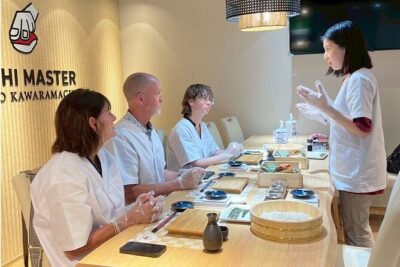 ★ 5.0Sushi Making in Kyoto! Same-day bookings welcome!From $53713 reviews
 ★ 4.9Ramen Cooking Class at a Ramen Factory with SouvenirFrom $127532 reviews
 ★ 5.0Ramen, Gyoza, and Onigiri Cooking ClassFrom $90445 reviews
 ★ 5.0The Original Small-Group Sushi Making Class in KyotoFrom $69436 reviews
 ★ 5.0Japanese Washoku Bento Small Group Cooking ClassFrom $58380 reviews
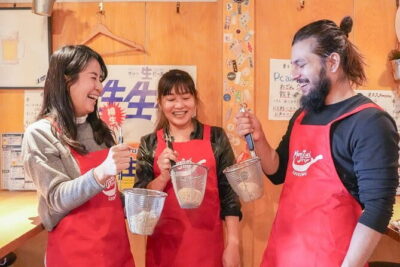 ★ 5.0Kyoto Ramen and Gyoza Cooking Class with Professional ChefsFrom $86282 reviews
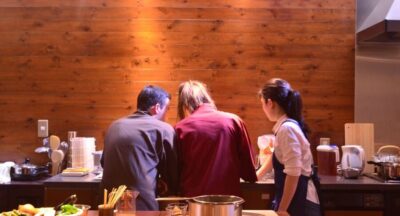 ★ 4.9Afternoon Japanese Izakaya Cooking ClassFrom $67241 reviews
Browse the lists this tour appears in